Tracing Reward Pathways in Licensed Wheel Games: How Activation Triggers and Thresholds Determine Payout Structures
Eden Zimmermann · Oct 6, 2026
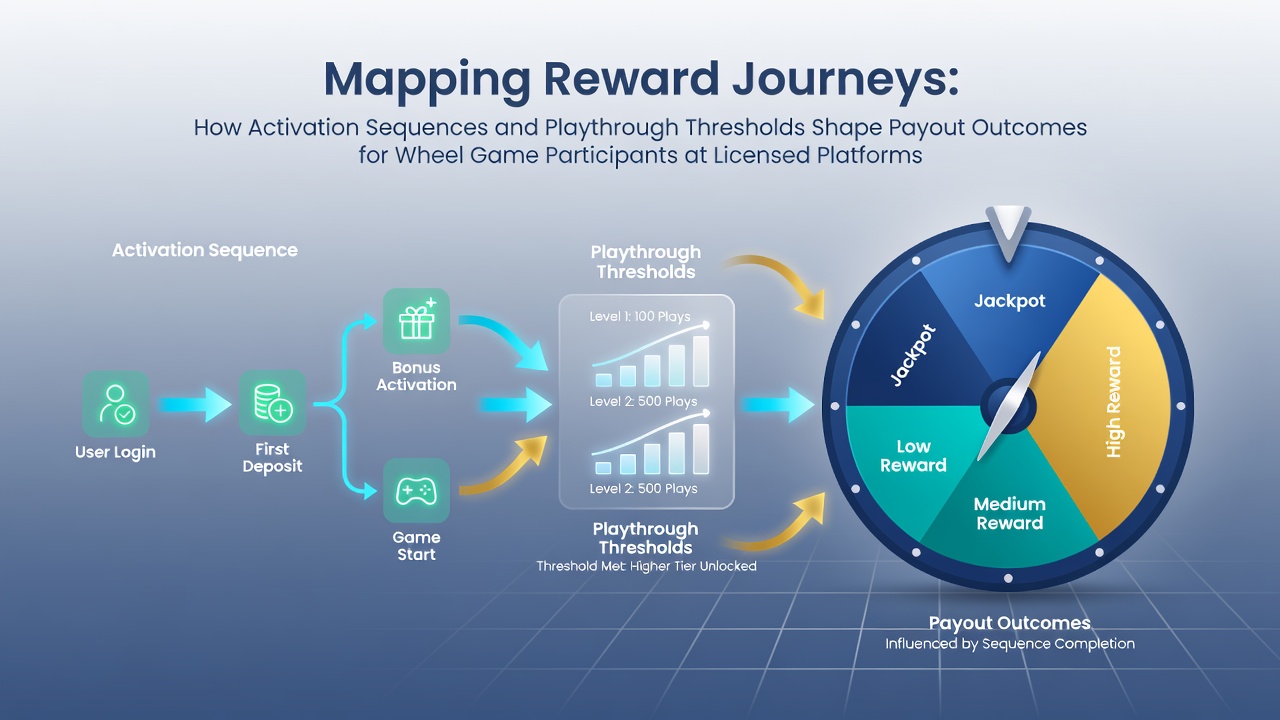
Tracing Reward Pathways in Licensed Wheel Games: How Activation Triggers and Thresholds Determine Payout Structures
Wheel game participants at licensed platforms navigate structured reward pathways where activation sequences initiate bonus credits and playthrough thresholds set the conditions for converting those credits into withdrawable funds. Data from regulatory oversight bodies indicates that these mechanisms operate through defined steps, with each phase building on the previous one to shape final payout outcomes. Observers note that platforms typically require players to trigger specific game actions, such as completing a set number of spins on designated wheel titles, before advancing to the next stage of the reward journey.
Activation Sequences in Practice
Activation sequences begin when players opt into promotional offers tied to wheel games, and platforms record the initial deposit or free spin allocation as the starting point. Research from the Australian Gambling Research Centre shows that sequences often involve multiple triggers, including account verification followed by a minimum number of qualifying bets on roulette-style wheels. Those who've examined transaction logs find that delays in completing early steps can extend the overall timeline before thresholds become active, which in turn affects when participants reach payout eligibility.
Platforms licensed in various jurisdictions enforce these sequences through automated tracking systems, and figures from October 2026 monitoring reports reveal consistent patterns across thousands of accounts. For instance, one study tracked how players who activated bonuses on sequential days achieved faster progression compared to those who spaced out their activity, highlighting the role of timing in the reward mapping process.
Playthrough Thresholds and Their Influence
Playthrough thresholds represent the wagering multiples applied to bonus amounts, requiring participants to place bets totaling a specified figure before any winnings convert to cash. Evidence from industry analyses indicates these thresholds commonly range between 20x and 50x depending on the platform and promotion type, with wheel games contributing at varying rates toward fulfillment. Data shows that roulette variants often receive full or partial credit toward requirements, yet certain side bets may count at reduced percentages.
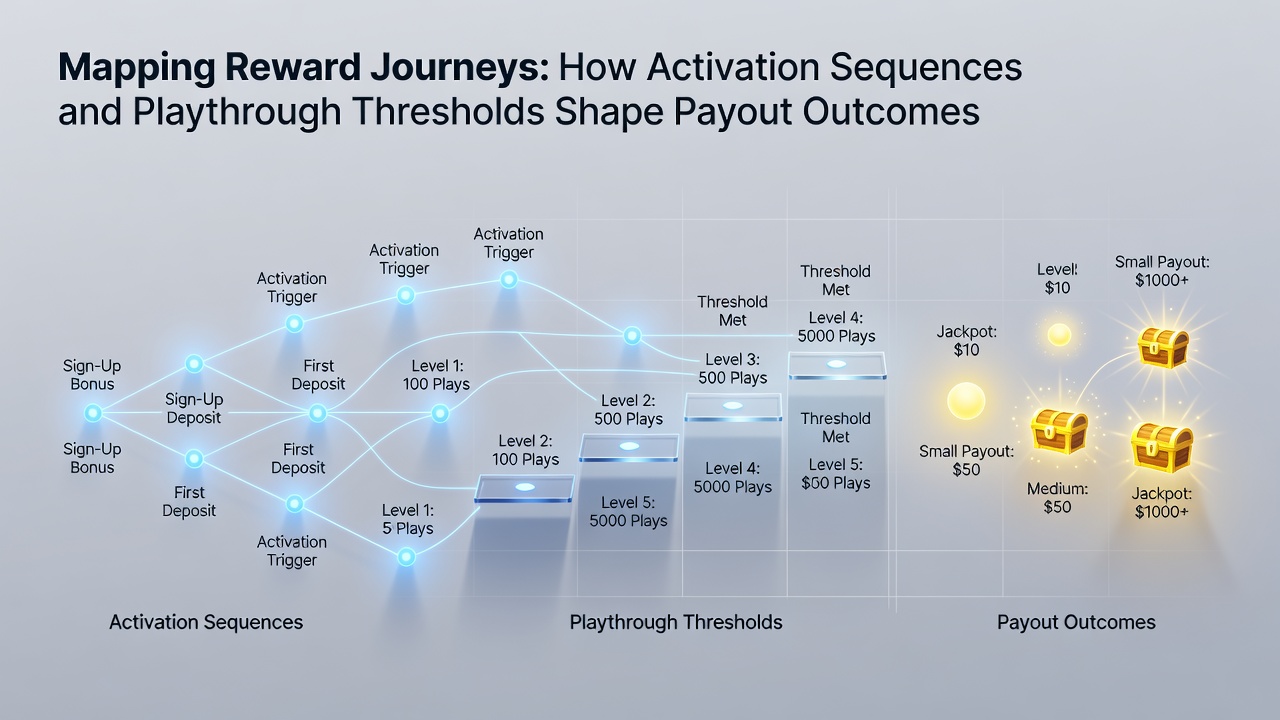
Those monitoring participant behavior observe that higher thresholds correlate with extended play sessions, and this dynamic directly influences the probability of reaching successful cashout points. Reports compiled in October 2026 by oversight agencies in multiple regions demonstrate that players who strategically select games with optimal contribution rates navigate these thresholds more efficiently. The process unfolds through continuous bet tracking, where each spin or round incrementally reduces the remaining requirement until zero is achieved.
Combined Effects on Payout Outcomes
When activation sequences and playthrough thresholds interact, they create layered pathways that determine whether bonus funds yield actual payouts or expire unused. Analyses of platform data indicate that participants who complete early activation steps promptly encounter fewer obstacles when addressing subsequent wagering demands. Evidence suggests that clear communication of these combined rules by licensed operators reduces instances of incomplete journeys, allowing more players to convert rewards successfully.
Regulatory records from bodies such as the Nevada Gaming Control Board track how variations in sequence design and threshold levels produce measurable differences in payout rates across wheel game categories. Players often find that understanding contribution percentages for specific wheel titles helps align their activity with the required thresholds, shortening the path to withdrawal eligibility. This mapping of reward elements continues to evolve as platforms refine their systems in response to participant patterns observed through October 2026.
Conclusion
The interplay between activation sequences and playthrough thresholds forms the core structure guiding reward outcomes for wheel game participants at licensed platforms. Factual records from regulatory sources confirm that these elements operate in sequence, with each phase building conditions that shape whether and when payouts occur. Continued examination of transaction data provides ongoing insight into how these mechanisms function across different licensed environments.