Tiered Reward Pathways: Advancing Through Casino Table Game Loyalty Programs
Rafael Berger · Nov 3, 2026
Tiered Reward Pathways: Advancing Through Casino Table Game Loyalty Programs
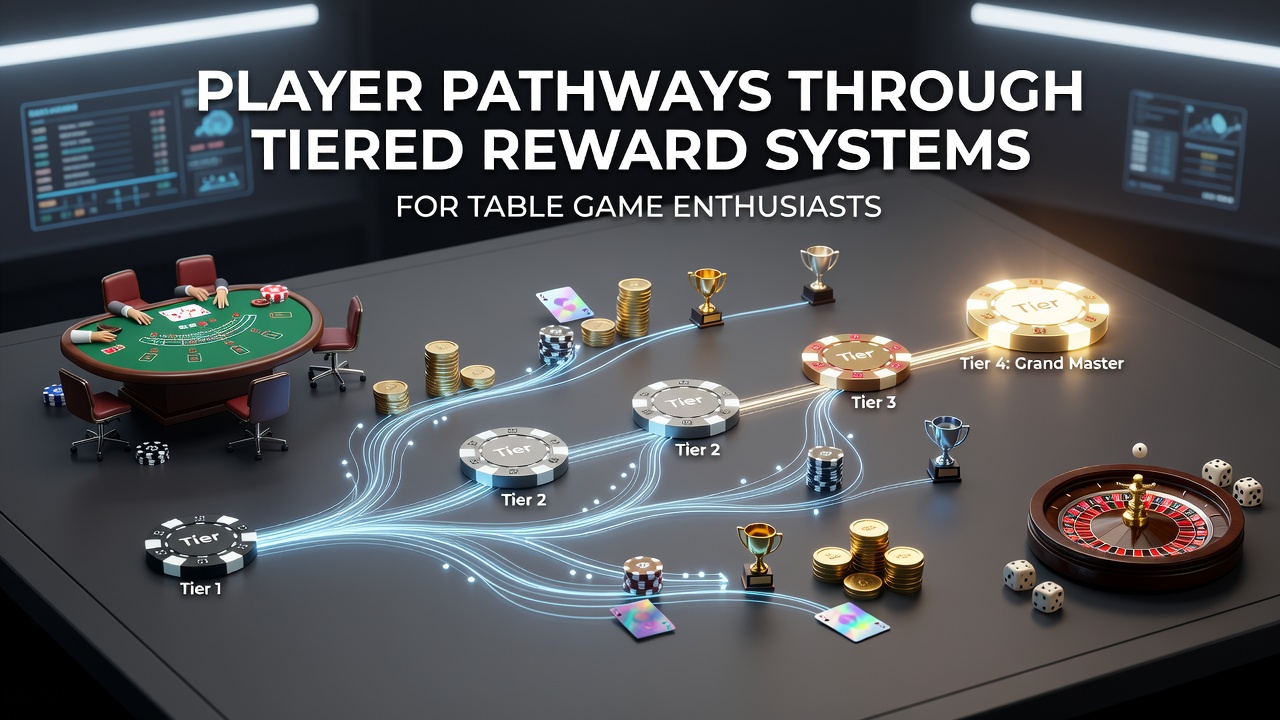
Casino operators structure loyalty programs into multiple tiers that reward consistent table game participation with escalating benefits, and these frameworks create clear pathways for enthusiasts to move from entry-level status to premium recognition based on tracked activity such as wager volume and session frequency. Players accumulate points through games like blackjack, baccarat, and poker, while the systems convert that activity into tier qualifications that unlock cashback percentages, complimentary meals, and access to exclusive events.
Core Mechanics of Tier Progression
Most programs calculate advancement using a combination of theoretical loss and actual play metrics, so a participant reaches the next level once cumulative points hit predefined thresholds that reset annually or quarterly. Observers note that bronze or silver entry tiers often require modest activity levels, whereas gold and platinum designations demand substantially higher engagement, and this structure encourages sustained participation across multiple visits rather than isolated sessions. Data from industry reports shows that table game players who focus on consistent play rather than sporadic high-stakes bets tend to advance more steadily because point accrual favors regular volume over single large wagers.
Benefits Unlocked at Successive Levels
Entry tiers typically deliver basic perks such as birthday bonuses and standard cashback rates around 0.2 percent, yet higher tiers expand these into personalized host services, faster withdrawal processing, and invitations to invite-only tournaments. Researchers have documented that players who reach diamond or elite status frequently receive dedicated account managers who coordinate custom offers, and this personalized layer transforms the relationship between the venue and the participant. Those who study loyalty data find that the jump from mid-tier to top-tier status correlates with increased access to private gaming salons and travel reimbursements for major events.
Tracking and Qualification Pathways
Modern systems integrate player cards with table sensors that record every hand or round, which feeds real-time point totals into mobile apps so participants can monitor their progress without manual calculations. And because many programs now incorporate both live table play and digital equivalents, enthusiasts maintain momentum even when physical casino visits become less frequent. What's interesting is how some operators blend tier status with time-limited challenges, allowing players to accelerate qualification during promotional windows that align with major sporting calendars or holiday periods.
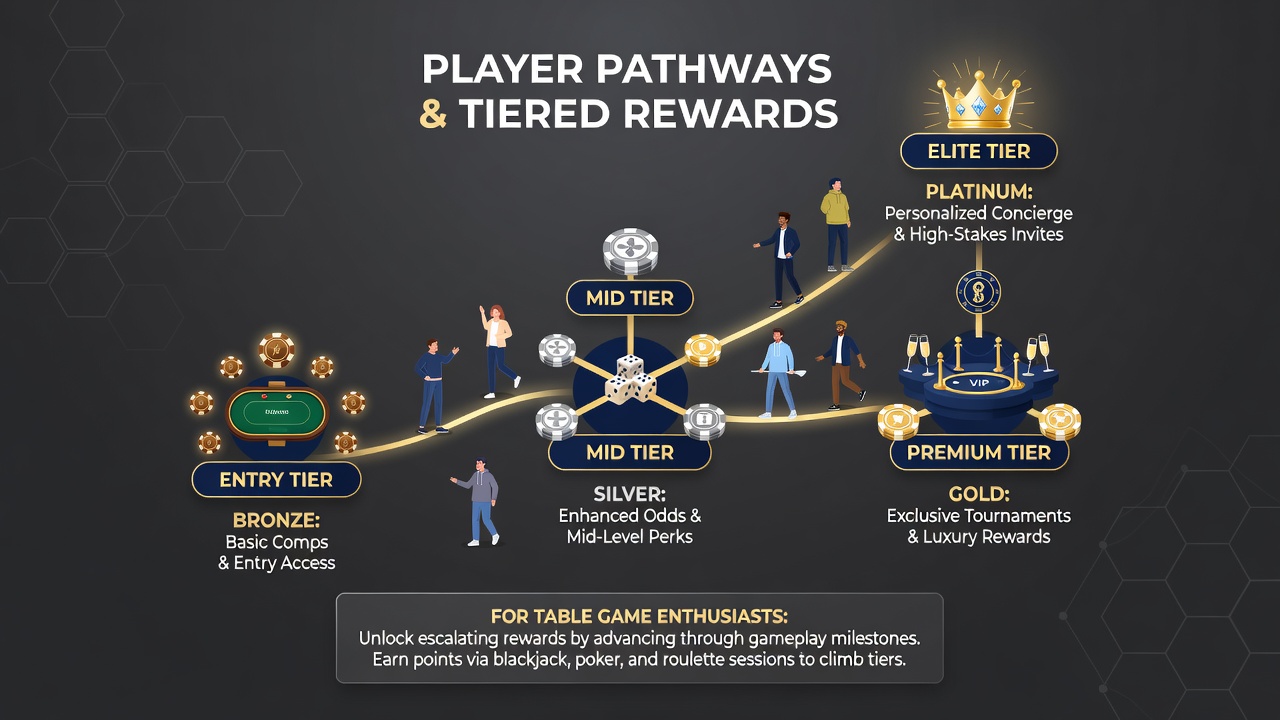
One study from the University of Nevada, Reno revealed that structured pathways reduce player churn by providing visible milestones, and operators who publish clear tier ladders experience higher retention among table game enthusiasts who value transparency. But here's the thing: qualification windows vary by jurisdiction, with some regions requiring calendar-year resets while others use rolling 12-month periods that reward ongoing activity more flexibly.
Regional Variations and Regulatory Context
Programs in North American markets often emphasize complimentary room nights and dining credits at higher tiers, whereas European and Asian operators lean toward experiential rewards such as private jet transfers to international tournaments. According to figures from the Nevada Gaming Control Board, tiered systems in that jurisdiction processed billions in tracked play during recent periods, underscoring the scale at which these pathways operate. Meanwhile, Australian regulatory data indicates similar growth in loyalty engagement, with table game segments showing steady increases in tier-qualified participants through 2026.
November 2026 Developments
Industry conferences scheduled for November 2026 are expected to highlight new integration tools that link tier status across multiple properties within the same operator group, allowing seamless transitions when players travel between venues. These updates build on existing mobile platforms that already display projected qualification dates based on current play rates. Observers note that such connectivity reduces friction for enthusiasts who maintain status across regional properties rather than starting over at each location.
Conclusion
Tiered reward systems establish measurable routes that convert table game activity into tangible advantages, and the pathways reward both volume and consistency while adapting to technological and regulatory shifts. Players who understand the qualification criteria and benefit structures position themselves to maximize the progression opportunities these frameworks provide across different markets and seasons.