Casino Review Breakdowns: Linking Bonus Code Mechanics to Live Roulette Cashout Timelines
Gisela Lehmann · Oct 20, 2026
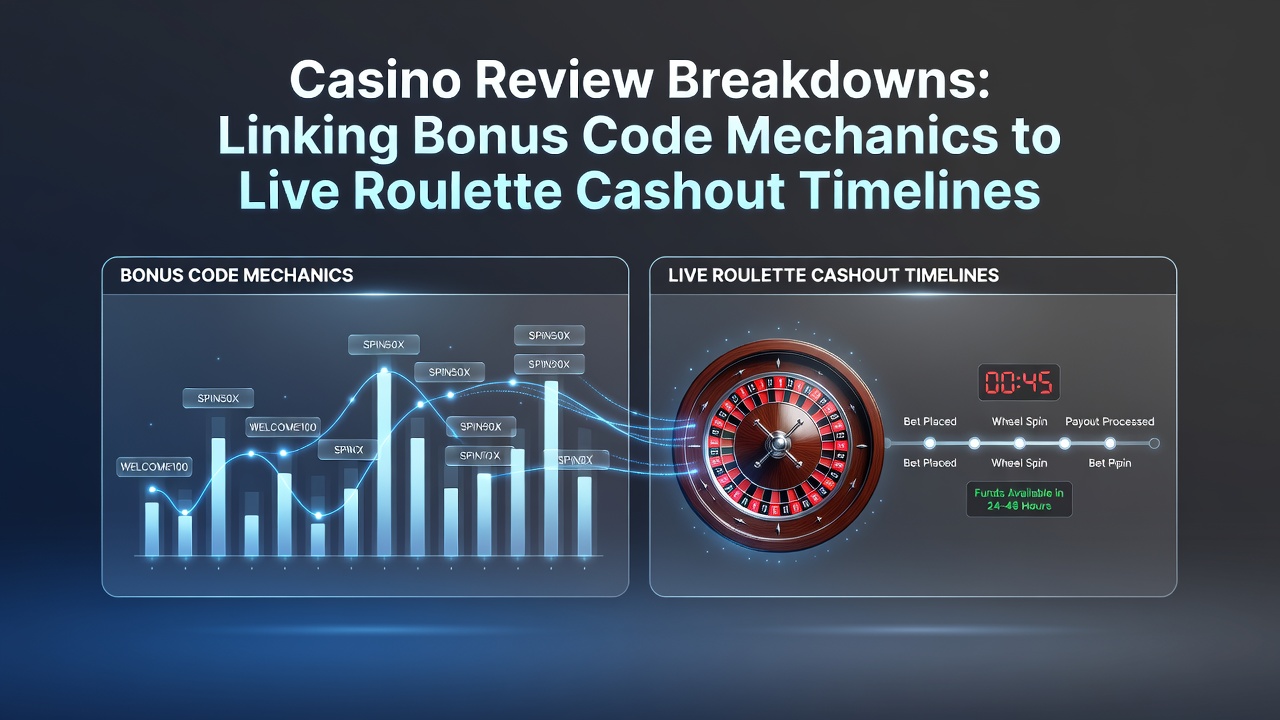
Casino Review Breakdowns: Linking Bonus Code Mechanics to Live Roulette Cashout Timelines
Analysts who track online gambling platforms observe that bonus code mechanics directly shape the timelines players encounter when attempting cashouts from live roulette sessions, and casino reviews systematically map these connections through detailed breakdowns of activation steps, contribution rates, and release conditions. Reviews compile data from platform terms, player reports, and transaction logs to show how codes trigger specific bonus structures that impose wagering thresholds before funds become eligible for withdrawal, particularly in live dealer environments where game speed and bet sizing influence progress toward those thresholds. Data from multiple evaluation sources indicates that codes tied to deposit matches or free spin packages often carry distinct playthrough multipliers, and these multipliers determine whether roulette bets count fully or partially toward clearance, thereby extending or shortening the interval between bonus receipt and cashout approval.
Bonus Code Activation Patterns in Platform Reviews
Reviews document that players enter bonus codes at registration or deposit stages, and these entries unlock layered incentives such as matched funds or additional spins that carry restrictions on eligible games and maximum bet limits during the qualifying period. Observers note patterns where codes linked to live casino promotions assign lower contribution percentages to roulette compared with slots, forcing extended play sessions to meet requirements, while codes attached to reload offers sometimes include cashback elements that bypass certain wagering stages and accelerate access to withdrawable balances. Figures from industry analyses reveal that activation success rates vary by code type, with time-limited codes expiring faster when tied to live roulette events, and reviewers track how these expirations interact with account verification processes that must complete before any payout request proceeds.
Contribution Rates and Their Effect on Roulette Timelines
Evaluations break down how live roulette tables contribute to wagering requirements at rates ranging from 5 to 20 percent depending on the bonus code structure, which stretches cashout timelines when players focus exclusively on high-stakes wheel spins rather than mixing in other game formats. One review compilation tracked transactions across several platforms and found that codes requiring full roulette participation extended average clearance periods by 48 to 72 hours compared with hybrid play strategies, while codes allowing partial credit for even-money bets reduced those intervals because bet volume accumulated more efficiently. Researchers at institutions studying gambling mechanics, including reports referenced through the Nevada Gaming Control Board, have compiled statistics showing that platform-specific multipliers on roulette create predictable bottlenecks, and reviewers use these statistics to forecast realistic cashout windows for users who activate particular codes.
Additional review data highlights that live roulette sessions generate rapid bet turnover yet face stricter scrutiny during audit phases, because platforms verify that no bonus abuse patterns appear in the spin history before releasing funds, and this verification layer adds days to timelines when codes originate from high-value promotions.
Review Methodologies for Tracking Cashout Processes

Evaluators employ systematic tracking that logs the moment a bonus code activates, the games selected, the cumulative wagers placed, and the subsequent submission of withdrawal requests, creating datasets that reveal average processing durations across different code categories. These methodologies incorporate screenshots of terms, transaction timestamps, and customer support interactions to illustrate how certain codes trigger manual review flags that delay approvals until identity documents receive confirmation. Analysts compiling October 2026 updates noted that platforms updated their code systems to include automated contribution trackers, and these updates shortened some timelines by providing real-time progress indicators that help players adjust strategies before reaching minimum thresholds.
Further breakdowns examine how progressive jackpot contributions from live roulette sometimes receive full weighting under specific codes, yet standard table bets remain capped, and reviewers contrast these differences to advise on code selection for users prioritizing faster access to winnings. Cross-referenced reports from academic sources such as the Canadian Centre for Gaming Research supply comparative figures on regional variations in bonus mechanics, which reviewers integrate when evaluating international platforms serving multiple jurisdictions.
Factors Influencing Timeline Variability
Reviews identify several variables that alter cashout durations, including account verification status at code entry, the volume of concurrent promotions active on a single account, and fluctuations in live dealer table availability that affect how quickly wagering targets are reached. Data shows that codes requiring minimum deposit amounts before activation often pair with accelerated verification queues, whereas no-deposit codes linked to roulette introduce additional compliance checks that extend the overall process. Observers document cases where players combined multiple codes and encountered overlapping requirements that reset progress indicators, thereby lengthening intervals before balances cleared for withdrawal.
Conclusion
Comprehensive casino reviews establish clear linkages between bonus code mechanics and live roulette cashout timelines by quantifying contribution rates, activation sequences, and verification steps that collectively determine payout readiness. These evaluations supply structured data that players and operators reference when navigating promotional structures, and ongoing updates continue to refine the mapping of code effects onto withdrawal schedules across evolving platform systems.